


20cm Gridded Ion Development Path
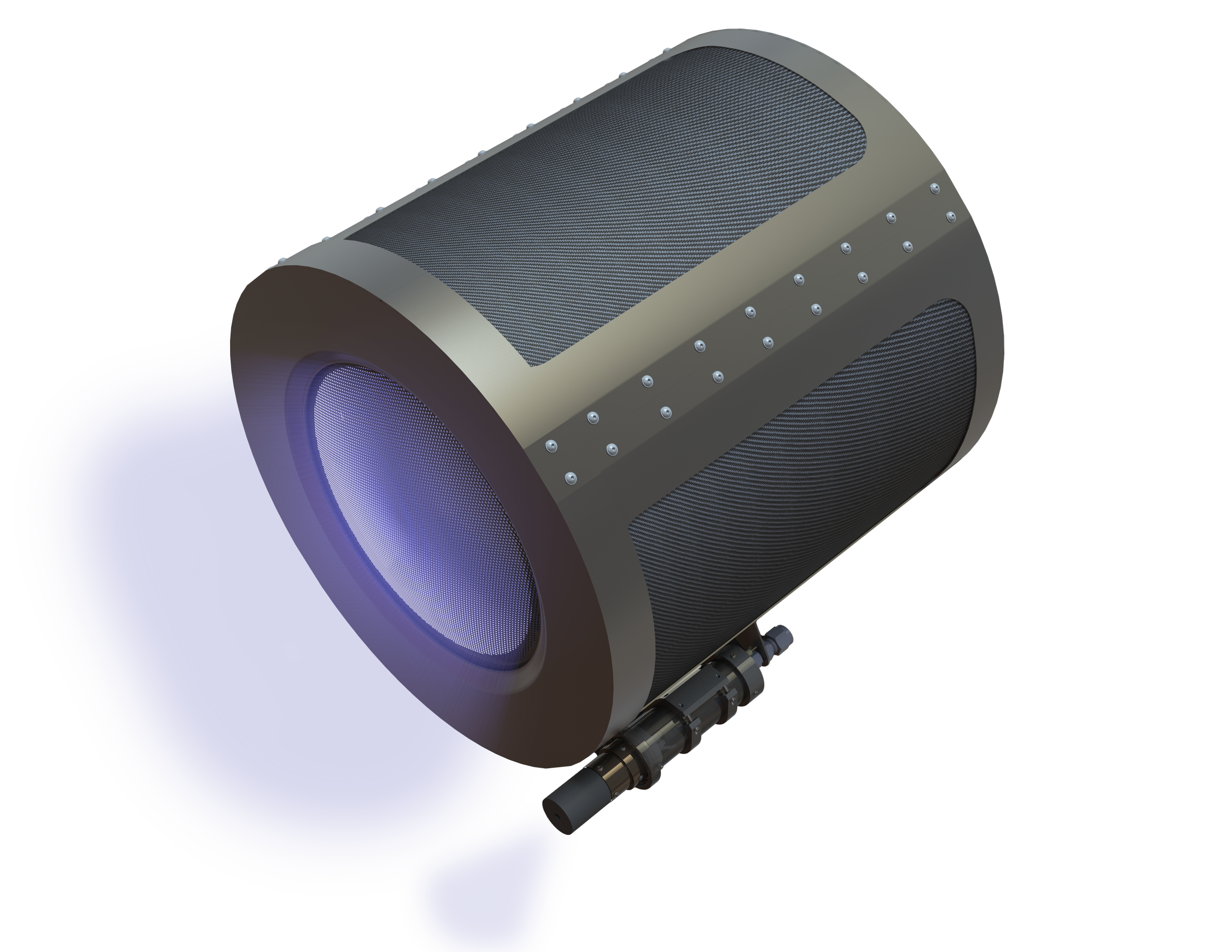
The thrust density of a Hall-Effect Thruster meets the efficiency and lifetime of a Gridded Ion Thruster
Desert Works Propulsion is developing a 20 cm gridded-ion propulsion system for Turion Space and advancing the same DWP-led development path for other commercial and government mission needs.
For spacecraft companies, primes, and government programs, DWP can evaluate mission requirements and develop gridded-ion propulsion systems or variants where high specific impulse, long lifetime, total impulse, and reliability are mission-critical.
GRIDDED ION THRUSTERS
Gridded Ion Thrusters (GITs) excel in primary propulsion for geocentric and heliocentric space missions, showing consistent performance and lifespan alignment in both ground testing and space operation, setting them apart from other Electric Propulsion (EP) thrusters.
However, their full potential remains untapped in Earth-orbital applications, creating a significant market opportunity. DWP addresses this gap through TIE-20 development for Turion Space and mission-specific gridded-ion variants for other customers.
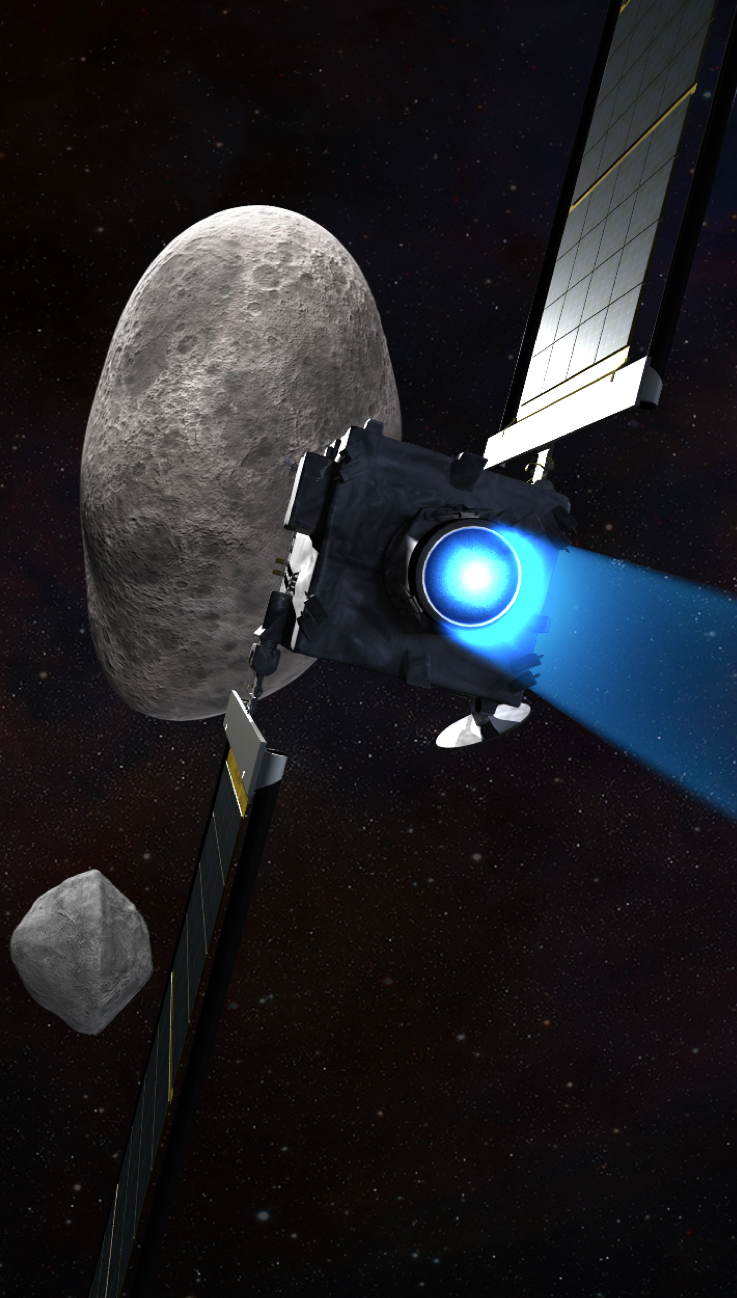
10x More
Total Impulse
than other
EP tech
Benefits
Most versatile and efficient use of propellant among any EP technology
Highest highest total impulse, nearly 10x any other EP technology
Widest power throttling range among EP thrusters, with a single device capable of throttling by up to ~10X
Represents a low-risk technology due to comprehensive understanding of potential uncertainties
As spacecraft power-to-mass ratios increase, GIT technology is the only feasible technology option for specific impulse values exceeding 3,000 seconds
Superior total impulse, efficiency, and specific impulse (Isp) make GITs ideal for missions requiring sustained maneuverability.
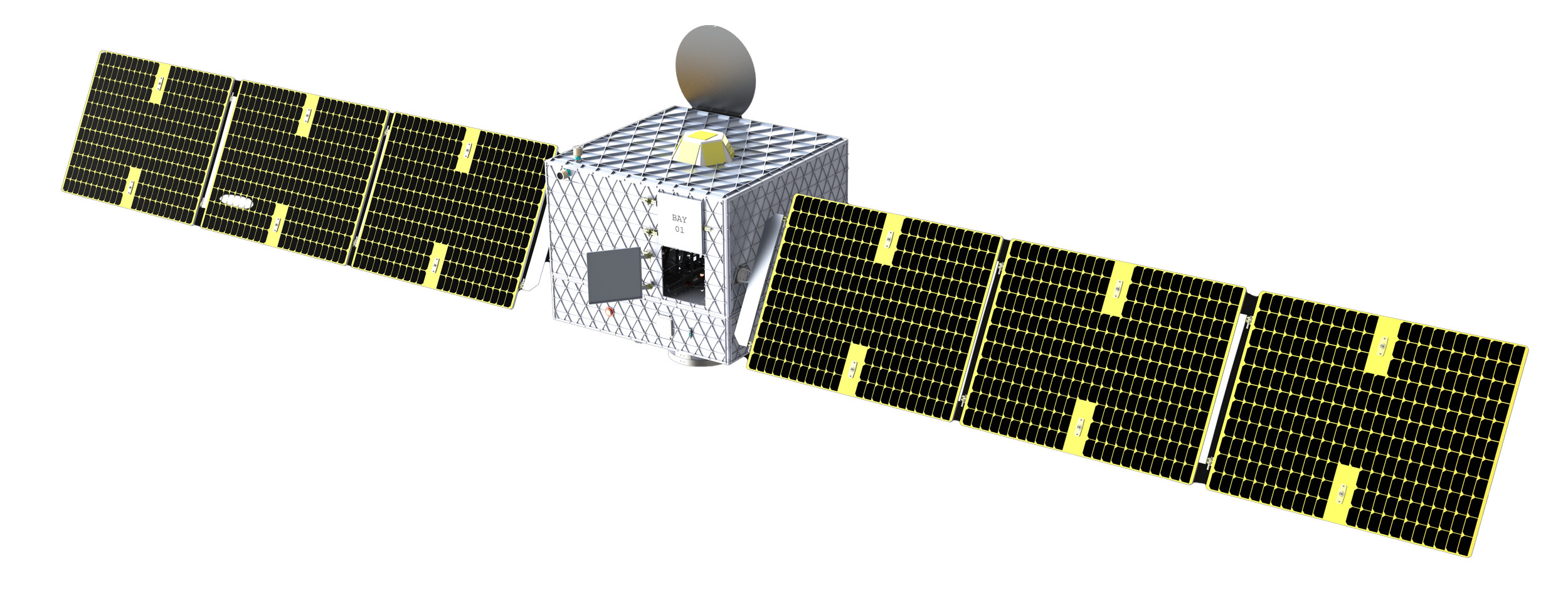
TRANSFORMING
MAXIMUM EFFICIENCY + RELIABILITY
SPACECRAFT ELECTRIC PROPULSION
DWP is building a domestic gridded-ion development and execution path for missions that need more than commodity electric propulsion.
The TIE-20 work with Turion is one active configuration in that broader path. For other customers, DWP can evaluate mission needs and develop a propulsion system or variant matched to the required power level, thrust range, total impulse, operating life, integration environment, and test/qualification path.
DEVELOPMENT
APPROACH
DWP’s gridded-ion development approach builds on proven ion propulsion heritage while adapting the architecture for commercial and government missions in Earth orbit, cislunar space, and other high-delta-V applications.
The goal is not to force a legacy planetary-mission design into a new market. The goal is to translate gridded-ion advantages into mission-fit hardware, test evidence, and system-level integration paths.
-
The novel all-carbon ion optics assembly and internal components deliver over 10 MN-sec total impulse, surpassing leading EP thrusters by an order of magnitude and outperforming state-of-the-art HETs by 50x.
-
Optimized for Krypton, the current development path delivers significantly higher total delta-V per dollar than alternatives. Considering future refueling, it’s more cost-effective for long-term maintenance than Xenon and Iodine thrusters, due to lower propellant and launch mass costs per delta-V.
-
Our next generation of our 20 cm gridded ion thruster will incorporate a breakthrough device which enables thrust-to-power ratios approaching that of Hall-Effect Thrusters, while simultaneously operating at double their specific impulse.
-
Designed for Earth-orbital use, our advanced gridded ion offers primary propulsion for point-to-point transfers and auxiliary propulsion for stationkeeping. Its high fuel efficiency and total impulse enable repeated maneuvers for space situational awareness, delivering the highest mission Delta-V among EP technologies cost-effectively.
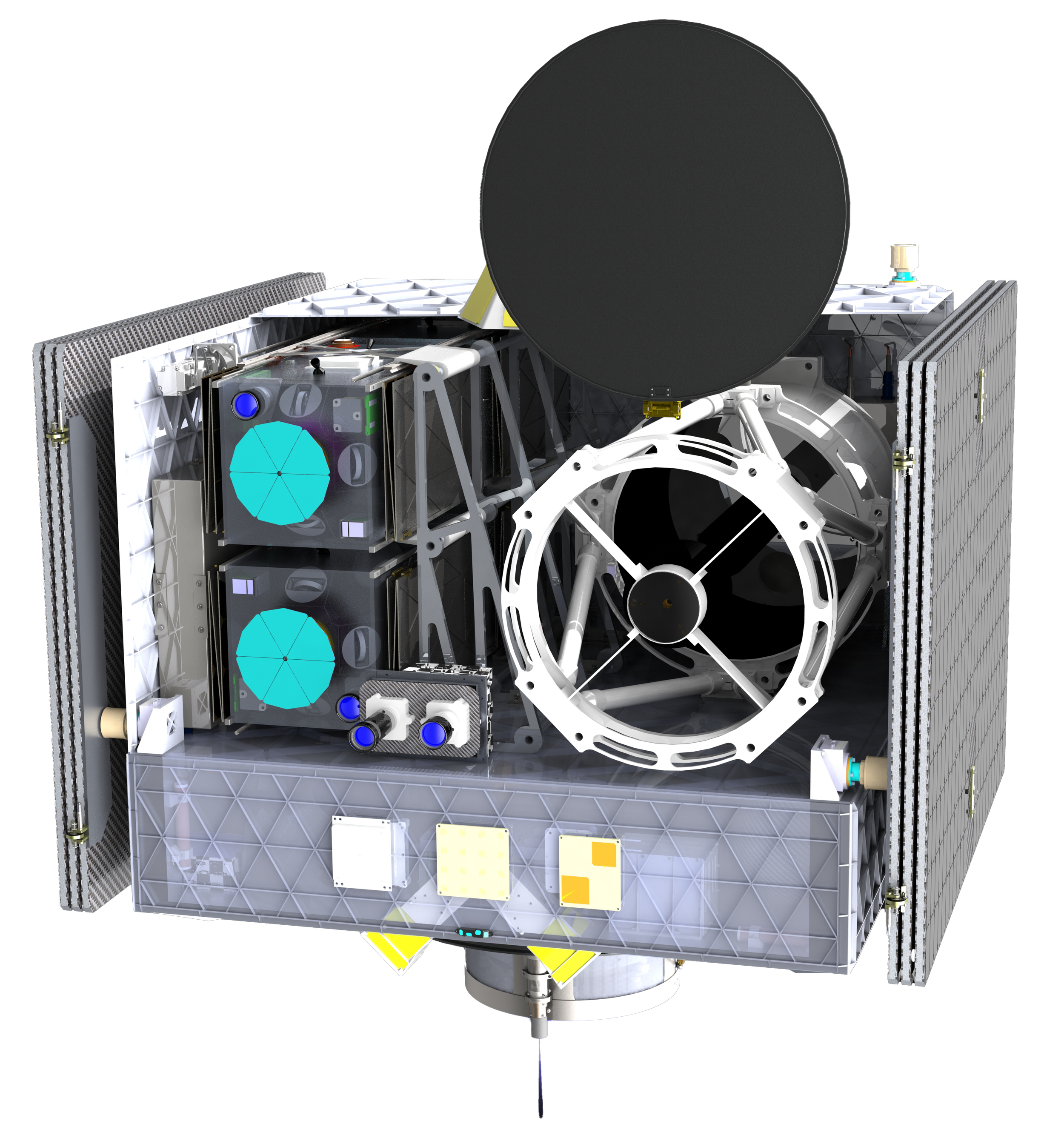
Features
Superior total impulse for
maximum lifetimeMaximized power efficiency
for peak performanceUnrivaled mission delta-V per
dollar for cost savingsExtensive fuel efficiency
Sustained maneuvering capabilities
Life-extending carbon-based designs

Power Processing And System Integration
DWP can support thruster, power processing, control, propellant management, and test-interface planning as part of a complete gridded-ion propulsion development path. Final subsystem configuration depends on the customer’s mission requirements, spacecraft interfaces, and applicable SOW.
DEVELOPMENT PERFORMANCE TARGETS
SYSTEM SPECIFICATIONS
| 20 cm System | System Delivery | Dry Mass (kg) |
Total Impulse (MN-s) |
Data Interface |
|---|---|---|---|---|
| GEN 1 System | Q3 2025 | 15.7 (PPU + Thruster) ~21 total |
> 8 | RS-422 |
| GEN 2 System | Q2 2026 | ≤ 23 total | ~ 20 | RS-422 |
THRUSTER SPECIFICATIONS
| 20 cm Krypton Thruster | Power Range | Thrust Range | Isp Range |
|---|---|---|---|
| GEN 1 Thruster | 0.31–1.52 kW | 9.1–47.4 mN | 1,330–3,480 s |
| GEN 2 Thruster | 0.31–2.0 kW | 9.1–79.4 mN | 1,330–4,500 s |
COMPARATIVE ANALYSIS*
| Type | Name | Thrust/ Power (mN/kW) |
Isp (s) |
Thrust*Isp/ Power (mN-s/W) |
Propellant |
|---|---|---|---|---|---|
| GIT | 20 cm High Thrust Mode (DWP) |
39.5 (79/2.0) |
2880 | 113.8 | Kr |
| GIT | 20 cm High Isp Mode (DWP) |
27.5 (55/2.0) |
4500 | 123.8 | Kr |
| GIT | NPT30-12-1U (ThrustMe) |
15.7 (1.1/.07) |
2400 | 37.7 | Kr |
| GIT | BIT-3 (Busek) |
13.8 (1.1/.08) |
2150 | 29.6 | I |
| HET | Halo 12 (ExoTerra) |
51.5 (85/1.65) |
1850 | 95.3 | Xe |
| HET | Aurora (Orbion) |
66.7 (19/0.3) |
1370 | 86.8 | Xe |
| HET | JPT150 (ThrustMe) |
45 (9/0.2) |
1600 | 72 | I |
| HET | PPS 1350-S (Safran) |
60 (90/1.5) |
1600 | 72 | Xe |
| HET | PPS 5000-S (Safran) |
60 (150/2.5) |
1730 | 103.8 | Xe |
| HET | BHT-1500 (Busek) |
67.3 (101/1.5) |
1710 | 115.1 | Xe |
| HET | ASE MAX (Astra) |
35.7 (50/1.4) |
1800 | 64.3 | Kr |
GIT – Gridded Ion Thruster
HET – Hall-Effect Thruster
* comparative analysis table: Statements above refer to the successful development of our second generation thruster technology